 Ovuloom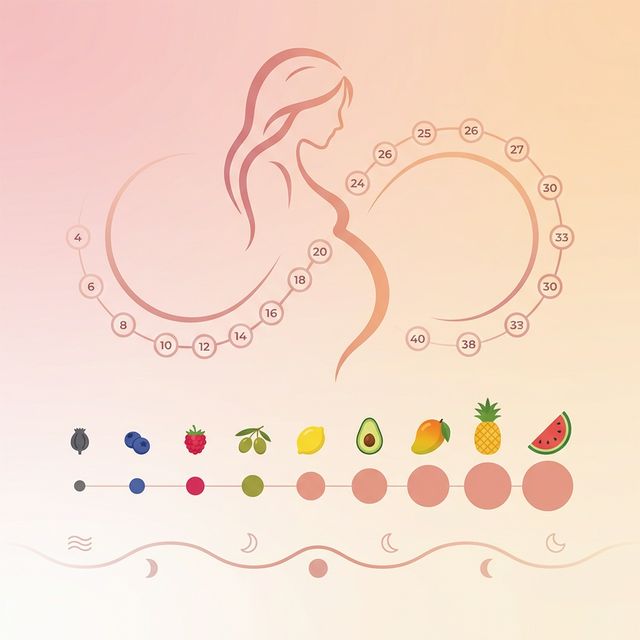
Understanding Pregnancy Weeks
Pregnancy is measured in gestational weeks, starting from the first day of your last menstrual period (LMP). A full-term pregnancy is 40 weeks (280 days). This means you're already considered 2 weeks pregnant at the time of conception, because gestational age includes the ~2 weeks before ovulation.
Pregnancy Trimesters Explained
- First Trimester (Weeks 1-12) — Major organ development begins. Common symptoms include nausea, fatigue, breast tenderness. Highest risk of miscarriage. First prenatal visit usually occurs at 8-10 weeks.
- Second Trimester (Weeks 13-26) — Often called the "golden trimester." Energy returns, baby bump grows. Anatomy scan at ~20 weeks reveals baby's sex. You may feel first kicks (quickening) around week 16-22.
- Third Trimester (Weeks 27-40) — Rapid baby growth. Common symptoms: back pain, heartburn, Braxton Hicks contractions. Baby reaches viability (~24 weeks). Full term is 37-40 weeks.
Gestational Age vs. Fetal Age
Gestational age counts from your last menstrual period and is the standard used by doctors. Fetal age (conceptional age) counts from conception — approximately 2 weeks less than gestational age. When your doctor says you're "12 weeks pregnant," they mean 12 weeks gestational age, and your baby has been developing for about 10 weeks.
Key Pregnancy Milestones
- Week 6 — Heartbeat detectable on ultrasound
- Week 12 — End of first trimester, miscarriage risk drops significantly
- Week 16 — You may feel first fetal movements
- Week 20 — Anatomy scan, halfway point
- Week 24 — Viability milestone
- Week 28 — Third trimester begins
- Week 37 — Full term, baby's lungs are mature
- Week 40 — Estimated due date
For daily pregnancy insights personalized to your exact week and day, download the Ovuloom app. Our AI tracks your symptoms, provides evidence-based tips, and connects you with a community of expecting moms.